

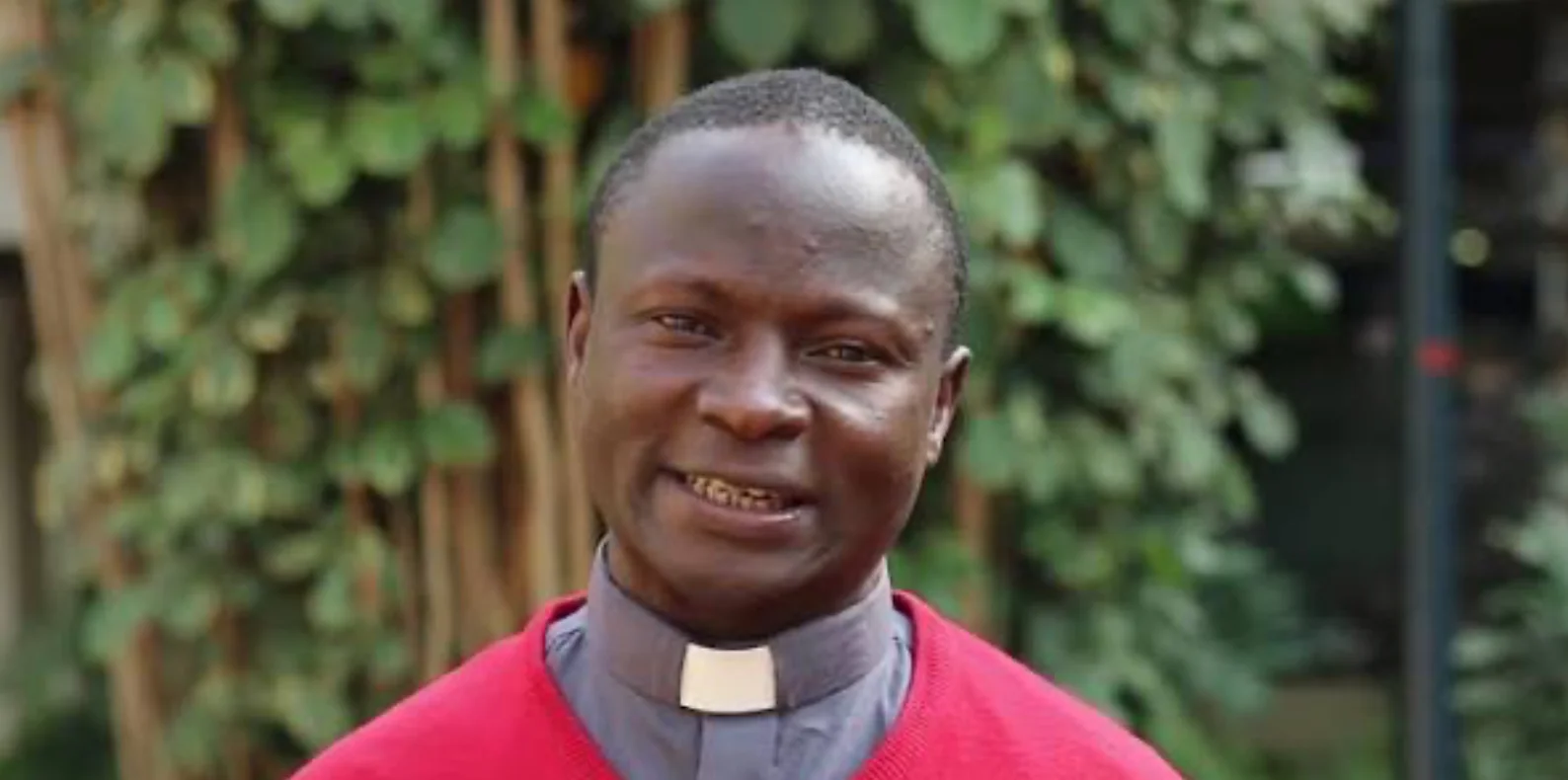
Tensions and cheers filled Masaka High Court on Tuesday as Fr Deusdedit Ssekabira, a Catholic priest facing a Shs500 million money laundering charge, was granted bail.
Yet the victory was quickly overshadowed by a procedural standoff between the prosecution and the bench.
Justice Victoria Nakintu Katamba granted Fr. Ssekabira temporary freedom, ruling that he had met the necessary legal requirements.
The judge noted that the priest "presented substantial sureties" and convinced the court that he "poses no flight risk" while awaiting trial.
The announcement triggered jubilation among supporters and parishioners who had gathered outside the court since early morning.
Despite the bail grant, the case encountered a technical hurdle. State Prosecutor Brian Kalinaki filed a surprise application requesting that the High Court return the file to the Chief Magistrate’s Court.
Kalinaki argued that the procedure used to bring the priest directly before the High Court was flawed.
"The High Court currently lacks jurisdiction to take the priest’s plea because he was never formally committed for trial by the lower court," he said.
This marked a pivot from the State’s earlier stance, which had signaled readiness to proceed. Kalinaki emphasized that the method of bringing the case to the High Court was improper, potentially rendering the current proceedings void.
Justice Nakintu is expected to deliver a crucial ruling at 2:00 PM to determine whether the High Court will retain the case or refer it back to the magistrates.
Fr. Ssekabira’s legal troubles began when he was accused of involvement in a financial scheme totaling Shs500 million.
Under the Anti-Money Laundering Act, the State alleges that the priest handled funds while "knowing, or having reason to believe, they were proceeds of crime."
The case has drawn significant public interest in the Masaka sub-region due to Fr. Ssekabira’s prominence.
Before this High Court appearance, the priest spent time in custody, prompting emotional calls from the local community for a "fair and speedy hearing."
In Ugandan criminal procedure, capital offenses or complex crimes like money laundering typically start in the Magistrate’s Court for mention.
The High Court generally only takes over once the State completes investigations and "commits" the accused for trial.
By arguing "improper procedure," the prosecution is essentially claiming that the legal "ladder" was skipped, which could nullify the case if the jurisdictional error is not corrected.
